
Cable Drain Snaking vs. 4,000 PSI Hydro-Jetting: Limits & Costs
Cable rooter snakes clear localized hair and soft sink clogs in 1-1/2 in. to 2 in. branches safely, whereas 3,000–4,000 PSI hydro-jetting scours heavy kitchen grease and scale walls along 3 in. to 4 in. main building drains. Per May 2024 BLS rates ($29.98/hr base median), camera scoping and clearing run 1.5–3.5 labor hours—always require a sewer camera check before jetting old clay or Orangeburg lines.
- Hydro-Jetting Pressure
- 3,000–4,000 PSI
- Service Labor Window
- 1.5–3.5 hrs (BLS 47-2152)
- Main Drain Slope
- 1/8–1/4 in. per ft (IPC)
- Required First Step
- Sewer Camera Scope
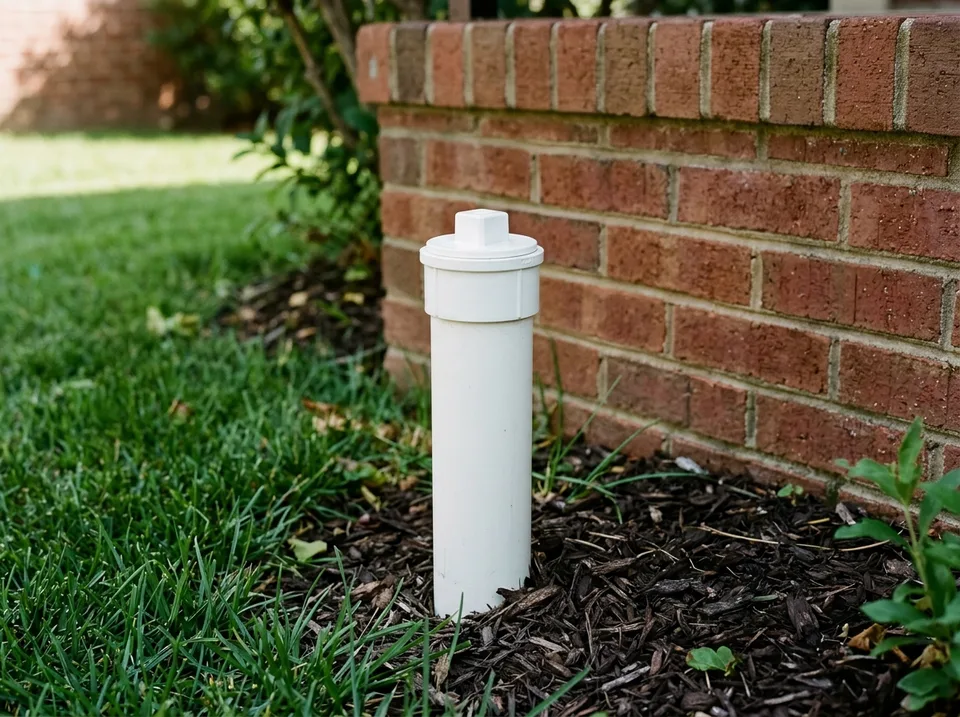
Why camera-first saves thousands: high-pressure 4,000 PSI water jets can blow out softened pre-1970 Orangeburg fiber pipe or fractured clay hubs.
Never pour caustic lye or acid drain openers into backed-up toilets or floor drains—technicians opening cleanouts suffer chemical burns.
When Is a Mechanical Auger Better Than Hydro-Jetting?
Use mechanical cable augers for bathroom tub hair, sink P-trap clogs, or initial punch-through relief on flooded 3 in./4 in. mains before inserting a fiber-optic sewer camera.
When Does Hydro-Jetting Deliver Longer-Lasting Drain Relief?
In intact PVC, ABS, or solid Schedule 40 cast iron mains coated with restaurant-grade kitchen grease or mineral scale, 3,000–4,000 PSI rotating jet nozzles scrub full 360-degree pipe ID rather than punching a temporary hole.
Who Should Refuse High-Pressure Hydro-Jetting Without a Sewer Camera Video?
Pre-1975 homes with clay, cast iron, or Orangeburg laterals risk catastrophic pipe collapse under unverified 4,000 PSI blasting.
Key Limitations & Exclusions
- Demand a recorded distance-stamped camera video before approving hydro-jetting or trenchless CIPP lining.
- Stop flushing all upper fixtures immediately if water backs up through a basement floor drain.
- Never mix liquid chemical openers before mechanical snaking.
Which Option Fits Your Situation?
What Do Homeowners Ask Most About This Topic?
Direct answers to common technical, regulatory, and sizing questions sourced from primary U.S. government and OEM documentation.
What is the 135 rule in plumbing?
In residential DWV drainage piping, the 135-degree rule describes smooth directional changes under IPC Section 706.3 and UPC Section 706: horizontal drain turns and branch tie-ins must sweep using a 45-degree wye plus a 45-degree one-eighth bend—creating a 135-degree flow transition rather than an abrupt 90-degree sanitary tee.
Is Dawn dish soap good for clogged drains?
Liquid dish soap diluted in warm water can lubricate minor kitchen grease coatings in a slow sink trap, though it cannot dissolve hardened soap scum, hair mats, or tree-root intrusions in a main building drain. Never mix dish soap with caustic chemical drain openers before snaking or hydro-jetting.
What can I pour down the sink drain to clean it?
Hot tap water flushes and mechanical drain snakes or enzyme-based bacterial maintenance treatments safely clear organic kitchen sink buildup without corroding cast-iron mains or softening PVC glue joints. Avoid pouring caustic lye or concentrated sulfuric acid into standing water where technicians must later disconnect traps.
How long should 40 pounds of salt last in a water softener?
Under USGS household water usage of 75 gallons per person daily at 10 GPG hardness, a four-person home needs roughly 3,000 grains of daily capacity, or 21,000 grains per week. At typical 8–10 lb salt usage per weekly regeneration, one 40 lb bag lasts about 4 to 5 weeks.
How big of a water softener do I need for a 3 bathroom house?
Size ion-exchange tanks by household occupants and measured USGS tap hardness rather than bathroom count alone. Multiply occupants by 75 gal/day and compensated hardness in GPG plus 4x clear-water iron ppm over a 7-day cycle; 3–4 residents at 10 GPG typically size into a 32,000-to-40,000-grain tank.
Can bacteria grow in a water softener brine tank?
High-salinity sodium chloride brine inhibits most microbial growth, though sediment, iron fouling, or stagnant water above the salt bridge can foster biofilm on tank walls. Cleaning the brine tank annually with mild non-chlorinated detergent or manufacturer-approved resin cleaner keeps the draw assembly sanitary.
Which state has the worst hard water?
Among states sampled in the USGS Water Quality Portal, California recorded 36.1 GPG median hardness across 4 high-mineral sampling sets, Ohio measured 15.6 GPG across 1,500 samples, Arizona measured 13.0 GPG across 173 samples, and Minnesota measured 12.5 GPG across 1,486 samples—all exceeding the 10.5 GPG Very Hard threshold.
Is hard water healthier for you?
Calcium and magnesium hardness ions above 7.0 GPG pose no federal health violation under EPA Safe Drinking Water Act rules, unlike 4.0 ppt PFAS or 10 ppb lead action levels. However, mineral scale coats tankless heat exchangers and tank heating elements, reducing thermal efficiency and shortening equipment service life.
Sources
- OEWS State Employment & Wage Estimates — SOC 47-2152 Plumbers, Pipefitters, and Steamfitters — U.S. Bureau of Labor Statistics, May 2024 OEWS (retrieved 2026-11-23)
- International Plumbing Code (IPC) & International Fuel Gas Code (IFGC Table 402.4) — International Code Council (ICC), 2021 / 2024 IPC & IFGC (retrieved 2026-11-23)
- Uniform Plumbing Code (UPC) & State Code Adoptions — International Association of Plumbing and Mechanical Officials (IAPMO), 2021 / 2024 UPC (retrieved 2026-11-23)